
The Power of Personalised Home Help Plans for Senior Wellbeing in Australia
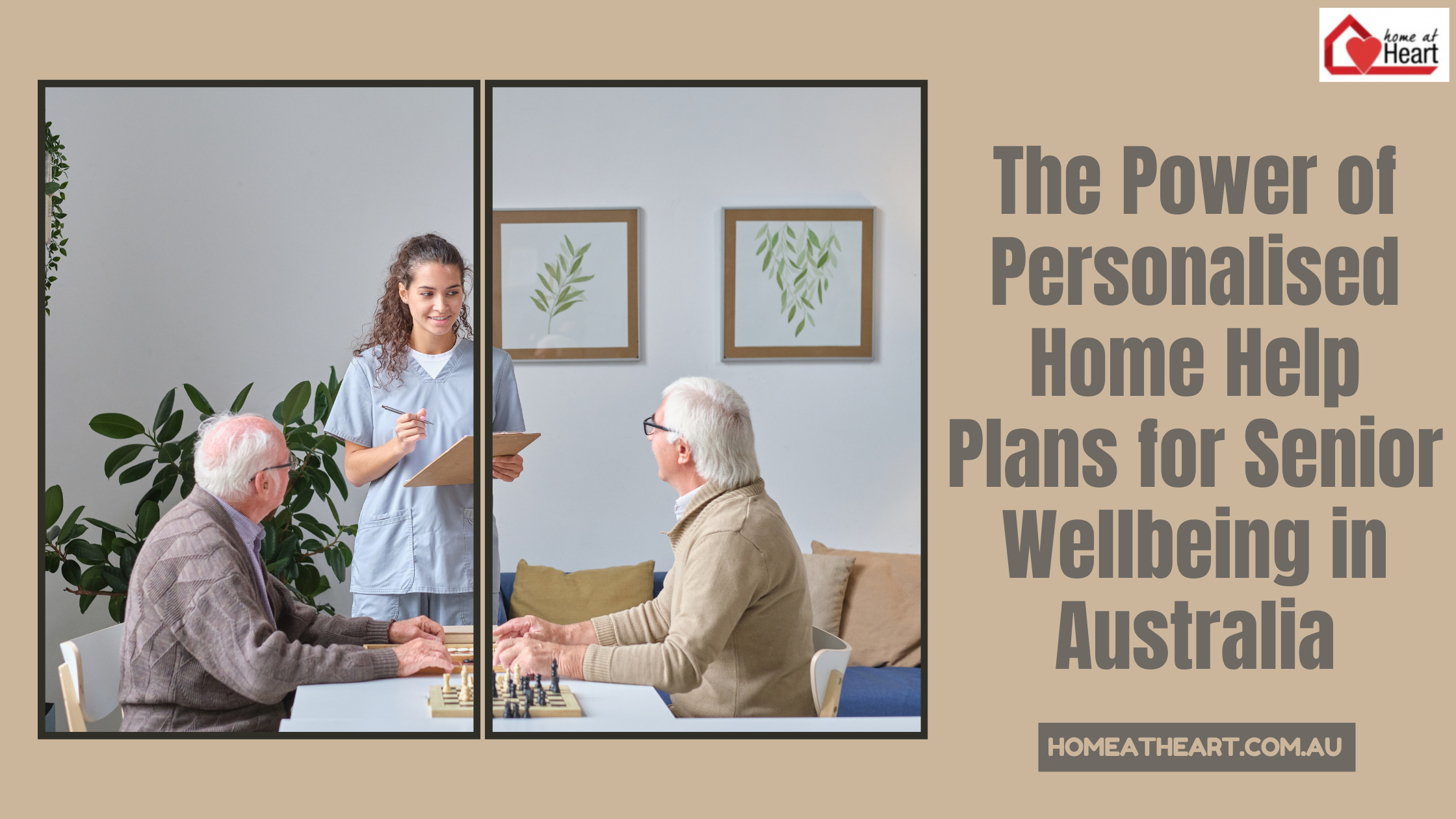
Growing older doesn’t mean giving up your way of life. For many seniors in Australia, staying at home and getting home care services means holding onto what’s familiar, comforting, and full of memories. Whether it’s having a cup of tea in their own kitchen or chatting with neighbours they’ve known for decades, the home is where identity, comfort, and dignity live.
That’s why more families are choosing in-home aged care. It’s a more personal and respectful way to support older Australians without taking them away from the life they love. But to make this work properly, care shouldn’t be based on a template. It should be personalised – made to fit the person.
That’s where personalised home help plans come in. These are not just lists of tasks – they’re complete support plans built around someone’s real life, habits, and needs. And if you’re looking at In-Home Care Services for a parent or loved one, understanding the role of personalised plans will help you make the best choice.
What Is a Personalised Home Help Plan?
A personalised home help plan is a tailored care guide designed for one person. It focuses on the senior’s health, routines, social life, and what helps them feel safe and happy.
Unlike general care packages, a personalised home help plan grows and adapts over time. Whether health changes, family support shifts, or new preferences come up, the care plan evolves.
A strong plan built by professional aged care service providers might include:
Help with bathing, grooming, and dressing
Medication reminders and checking in on health
Meal prep that suits cultural or dietary needs
Housekeeping, laundry, and light gardening
Driving to appointments or social visits
Companionship and friendly chats
Support after a hospital stay
Communication with doctors, physios and other allied health providers
Everything is chosen because it fits the person, not just because it’s on a list.
Why Does Personalised Care Boost Seniors' Wellbeing?
Physical Health
With a consistent and tailored routine, many seniors see better health. Meals are nutritious, medication is taken on time, and risks like falls or dehydration are reduced. It’s often the small details that prevent big health issues.
Emotional Support
Ageing can sometimes feel lonely. But familiar carers, meaningful chats, and daily check-ins help lift spirits and reduce feelings of anxiety or sadness.
Mental Stimulation
Activities like puzzles, knitting, gardening, or music keep the brain active. When included in a personal plan, they help maintain memory, focus, and motivation.
Support for Families
Carers get a break. Families feel less stress, and know their loved ones are being well looked after. With the right home care services, relatives can go back to being family instead of full-time carers.
How Are Personalised Home Help Plans Created?
Creating a personalised plan is a careful process managed by professional Aged Care Service Providers. Here’s how it typically works:
1. Initial Assessment – The care team meets with the senior and their family. They look at health, home safety, mobility, and current routines.
2. Lifestyle Mapping – They learn about likes, dislikes, cultural needs, hobbies, and personality.
3. Goal Setting – Together, the family and senior decide on care goals like staying independent, recovering from an illness, or enjoying more social time.
4. Planning Services – Tasks like help with meals or transport are added based on real needs.
5. Matching Carers – A good match is key. The provider introduces carers who suit the person’s style, culture, and energy.
6. Reviewing Often – Plans aren’t set and forgotten. They change as needed.
This process is what separates great aged care service providers from average ones.
Personalised vs Standard Care – What’s the Real Difference?
| Feature | Personalised Home Help Plan | Standard Care Model |
|---|---|---|
| Care approach | Individual-focused | Task-focused |
| Emotional care | Central | Minimal |
| Flexibility | High | Low |
| Family involvement | Encouraged | Limited |
| Adaptability | Regular review | Rare |
| Outcome | Long-term wellbeing | Short-term support |
What Can Be in a Personalised Home Help Plan?
Support can be split into a few simple categories:
1. Daily Tasks
Showering
Dressing
Brushing hair or teeth
Meal prep
2. Health & Safety
Reminders for pills
Help with walking safely
Checking home safety
3. Social and Emotional Needs
Chatting and companionship
Helping with hobbies or outings
Reading or puzzles together
4. Getting Around
Driving to the shops
Going to the doctor
Help walking in the garden
5. Home Help
Cleaning the kitchen
Doing the washing
Feeding the pets
The focus is always on what the person needs to live well, their way.
Signs It Might Be Time to Start Personalised Home Care Services
Families often wait until things feel urgent. But small changes can signal it’s time to get help:
Skipping medication
Not eating well
Feeling unsteady when walking
Confusion or forgetfulness
Less interest in hobbies
Feeling sad or withdrawn
Family carers feeling tired or overwhelmed
In-Home Aged Care is not only for the very frail. Many people start while still active, just needing a bit of help.
Why the Right Aged Care Provider Makes All the Difference
Choosing a reliable aged care provider ensures the care is not just safe but meaningful. Here's what to look for:
Experienced and trained carers
Respectful communication
Customised plans
Cultural understanding
Clear pricing with no hidden fees
Carers you can trust
Regular check-ins
Great home care services should feel like support, not a service.
FAQs
Q: Is personalised care only for people with high needs?
No, many people start early for light support and companionship.
Q: Can my home care plans change?
Yes, they’re reviewed regularly as needs evolve.
Q: Do families help make the plan?
Absolutely. Families play a big role in shaping and reviewing the plan.
Q: Is this available across Australia?
Yes. There are quality home care services across the metro and regional areas.
Q: How is this different from nursing homes?
It happens in the person’s own home and supports independence.
In Summary: Care That Feels Like Home
Good care should never feel like a burden or a box to tick. The best care feels like being seen, heard, and respected. Registered Aged Care Service Providers allow older people to keep their routines, stay in their communities, and feel supported every day.
With the right in-home aged care plan and support, families can feel at ease knowing their senior loved ones are in good hands. Home isn’t just a place – it’s where life continues. And with the right help, it stays that way.