
Why Personal Hygiene Matters in Aged Care and Wellbeing
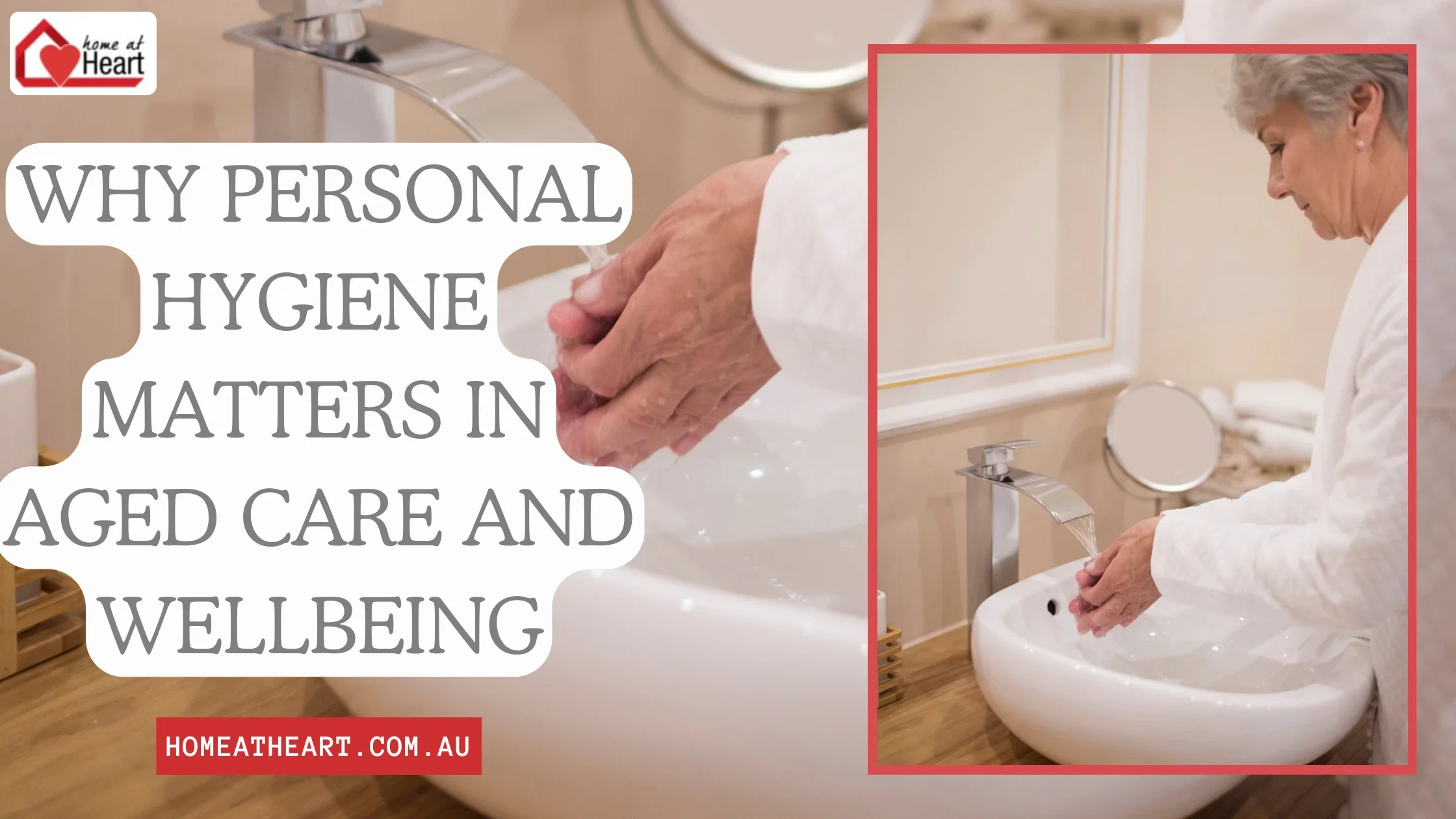
Personal hygiene affects the physical health, emotional wellbeing, and day-to-day confidence of older adults. Many issues, such as skin infections, oral disease, and urinary tract infections, are often preventable with the right support at home. This article outlines key risks, what good care looks like, and how families in Wagga Wagga are putting the right support in place.
Why Is Support with Personal Hygiene Important in Aged Care?
Inconsistent hygiene can contribute to a range of health concerns. Common risks include:
| Risk | What Causes It |
|---|---|
| Skin infections | Often linked to moisture trapped in skin folds and delayed wound care. |
| Urinary tract infections | Frequently associated with inconsistent continence care. |
| Dental disease | Can result from skipped oral hygiene and poor denture care. |
| Pressure injuries | Related to skin breakdown from moisture and friction. |
| Fungal infections | More likely when feet and toenails are neglected. |
How the Body Changes with Age and What That Means for Hygiene
Ageing brings physical changes that can make daily hygiene harder to manage independently:
Skin: Skin often becomes thinner and drier and can tear more easily. Small grazes or moisture in skin folds may develop into infections within days.
Arthritis: Reduced grip strength can make washing hair, scrubbing skin, and brushing teeth painful, rather than simply inconvenient.
Circulation: Reduced blood flow to the lower limbs means feet and toenails are sometimes overlooked. Fungal infections and ingrown nails can progress quickly if untreated.
Continence changes: When continence care is inconsistent, skin in contact areas can break down, and urinary tract infections become more frequent. This is a common and preventable issue in aged care.
What Personal Hygiene Support Looks Like Day to Day
Good personal care fits the older adult’s routine at their pace.
A trained care worker typically assists with:
- Showering or bathing
- Washing and drying hair
- Oral hygiene, including denture care
- Nail care
- Continence support
- Getting dressed
Oral hygiene: is often overlooked. Dental health in older adults has been linked to cardiovascular health, diabetes management, and nutrition. Painful or infected teeth affect what a person eats, and poor nutrition creates further health concerns.
For families accessing in-home care, structured personal care provides reassurance that hygiene needs are met consistently. Respecting personal standards also matters. Many people value personal presentation and have lifelong routines. A care approach that recognises those preferences can make a meaningful difference to how supported a person feels.
The Link Between Hygiene, Mental Health, and Confidence
Feeling clean can positively influence mood, confidence, and participation in daily life. Older adults who maintain regular hygiene routines often report:
Better mood and higher self-esteem
More willingness to engage socially
Greater confidence in attending medical appointments
More active involvement in their care plan
When a person feels unkempt, they may withdraw from social activities and visitors, increasing the risk of isolation. Social isolation in older adults has documented links to cognitive decline, depression, and faster physical deterioration.
Consistent Support At Home helps maintain personal standards, respects preferences, and supports dignity.
How Families in Wagga Wagga Are Getting Help
Many families rely on in-home aged care to help older parents remain at home safely. Demand for personal care assistance in Wagga Wagga has grown steadily.
The conversation often begins when families notice hygiene has slipped. Early signs can include:
Unwashed hair or body odour
Skin redness or visible irritation
Clothing that has not been changed
Repeated urinary tract infections
Resistance to previously routine self-care tasks
Acting early is helpful, as the changes behind these signs often progress without proper support. Home at Heart works with older adults and their families in Wagga Wagga to provide care that fits their lives. The team understands each person’s routine and preferences before building a care plan, so support feels familiar.
What to Look for in a Personal Care Worker
Choosing the right person for personal care deserves careful consideration. Key qualities include:
| What to Look For | Why It Matters |
|---|---|
| Formal training in skin, continence, and oral care | These tasks affect health, comfort, and safety. |
| Knowledge of age-related conditions | Dementia, diabetes, and mobility changes influence how care is delivered. |
| Consistency of the same worker | Frequent changes can cause anxiety, especially for people living with dementia. |
| Clear, respectful communication | A good worker explains what they are doing and adjusts based on feedback. |
| A continuity plan for absences | Ask what happens when the regular worker is unavailable. |
Reputable in-Home Care Services in Wagga Wagga are transparent about staff qualifications and how they manage continuity. If a provider is vague on either point, that is worth noting. Families need confidence that the person entering the home has both the skill and patience to do this work well.
Summary
Personal hygiene is important in aged care because it helps prevent infections, supports overall health, and protects dignity and wellbeing. As people age, conditions like fragile skin, arthritis, and continence changes can make daily hygiene harder and increase health risks if not managed well.
With regular support, such as help with bathing, oral care, and dressing, older adults are more likely to stay healthy, comfortable, and confident, and remain socially engaged.
Frequently Asked Questions
How often should an older adult receive personal hygiene support?
Oral hygiene and skin checks ideally occur daily. Bathing support is generally appropriate two to three times a week at minimum, with more frequent support for people with continence needs.
Can personal hygiene support be included in a government-funded home care package?
Yes. Personal care, including bathing, grooming, oral hygiene, and continence support, may be included under the Australian Government’s Support at Home program. A registered aged care provider can clarify what is covered under a specific package level.
What if an older adult refuses hygiene support?
Refusal is common, especially early in a care arrangement or for people living with dementia. Building trust gradually, keeping a consistent routine, and involving the person in decisions about timing and method generally work best. Home at Heart care workers are trained to handle this with patience.
Is personal care at home appropriate for people with dementia?
Yes. Familiar surroundings can reduce confusion and agitation, making daily routines, including hygiene, easier to manage. Consistency of the same care worker is especially important.
How do I know if my parents need more support than they are currently getting?
Watch for repeated UTIs, skin sores, dental pain, body odour, matted hair, or resistance to self-care. These are practical signs that support levels may need review.
For more information about how Home at Heart can support your in-home personal care needs in Wagga Wagga, please contact our team.